If the Owl Calls: A Novel
- By Sharon White
- Betty Books
- 376 pp.
- Reviewed by Nicole Yurcaba
- December 16, 2025
A murder in Norway reveals anti-Sami prejudice.
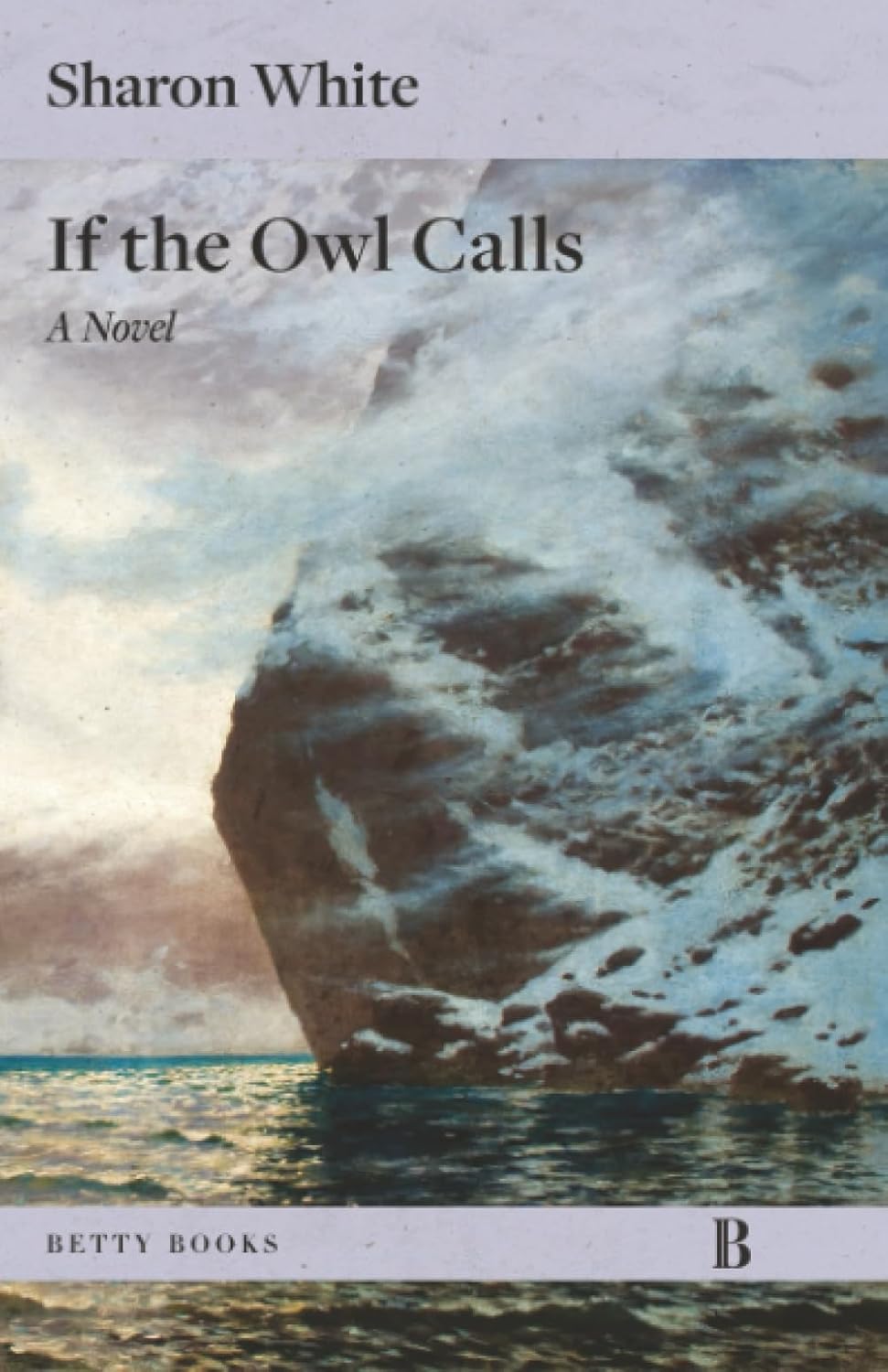
It’s 1979, and Oslo police detective Hans Sorensen is called to the Alta Dam after a body is found. The discovery not only unleashes a series of strange occurrences in nearby villages, it also forces Hans to confront his Sami heritage. Part environmental-resistance manifesto and part roadmap for cultural awakening, Sharon White’s If the Owl Calls is a poignant and necessary exploration of love, loyalty, and justice.
The novel’s true mystery isn’t the corpse in the ravine; it’s the one surrounding Hans — a man whose past has shaped his identity and worldview. Methodical in both his professional and personal life, he is overwhelmed by grief from his wife’s recent death. The case comes to feel like the one thing he can control, until he can’t. The killing at the dam — a site the indigenous Sami consider sacred ancestral land — and the avenues it unexpectedly opens into Hans’ own roots soon consume him. Quickly, he learns that anti-Sami prejudice is alive and well among his countrymen.
Historically, the Sami have struggled to maintain their way of life, language, and customs (including reindeer herding) within a modernizing Norway. Their close relationship with the land and its animals gives them a deep understanding of the environment they inhabit and a wariness of those — like the proponents of the lucrative Alta Dam — who seek to exploit it.
As Hans works to unravel the dark mystery surrounding the dead body, he comes to remember his people’s connection to the natural world. Even as he does, the government, fearing an uprising of “Sami nationalism,” is making an even greater push to remove the Sami from their native lands. As Hans uncovers more about his heritage, the case (and his view of it) grows more confusing. What emerges is a lyrical, philosophical exploration of the integrality of landscape to one’s identity and ethos:
“Beware of all the things you learn about love, beware of how memories of past love collide in your brain, beware of the seduction of landscape, the feeling of cold wind on your face, the days in bed, hardly able to move.”
White’s poetic prose transports readers into a realm where the self is both altered and preserved by the elements. But in its examination of Sami rights, If the Owl Calls offers, too, an important contribution to human-rights discussions about place, language, and the ethics of land use. In Norway today, the East Sami maintain reindeer grazing rights (though few grazing tracts remain), and the Sami Act gives Indigenous people the right to “maintain and develop their own language and culture.” Still, White’s portrayal of the plight of late-20th-century Sami is provocative in the questions it raises about diversity, equity, and the preservation of native heritage, mirroring such novels as Petra Rautiainen’s Land of Snow and Ashes, about Lapland’s buried history of World War II Nazi war crimes.
Of course, one cannot read If the Owl Calls and not acknowledge the sweeping mysticism of White’s prose. Each sentence is a careful addition to the beautiful tapestry she weaves. Even the simplest images — from vast forests and fields to luscious cloudberries — receive the utmost attention and description. This focus conveys an astute respect not only for the landscape White’s writing celebrates, but also for those who inhabit it.
In telling the tale of the tormented, conflicted Hans — readers must find out for themselves whether he solves the case — the novel asks, “Would you shake off the pain of one life to enjoy the trappings of another?” Boldly and fearlessly, it examines how, in order to make a better future, we must first confront the past.
Nicole Yurcaba (Нікола Юрцаба) is a Ukrainian American of Hutsul/Lemko origin. Her poems and reviews have appeared in Appalachian Heritage, Atlanta Review, Seneca Review, New Eastern Europe, Euromaidan Press, Chytomo, and the New Voice of Ukraine. Her poetry collection, The Pale Goth, is available from Alien Buddha Press.