The debut novelist talks literary classics, messy first drafts, and crushing on Jakob Dylan.
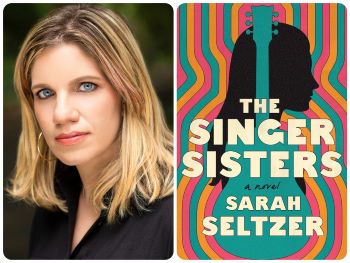
I’ve had the pleasure of working with Sarah Seltzer as my editor at Lilith Magazine, so I was excited to get my hands on her debut novel, The Singer Sisters. The story follows two generations of a folk-singing family, with all the complications and heartbreak that family life entails. This is an accomplished book that reads fluidly and captivates from the start.
How did you find the subject for this novel?
I saw a number of folk concerts around the beginning of the 2010s: Pete Seeger’s birthday party at Madison Square Garden and a memorial concert for Kate McGarrigle among them. I was captivated by the thought of folk music and a musical family as a central organizing idea. When I started writing, other interests came in: feminism, the relationship between Baby Boomers and subsequent generations, New York City, and my love of fictional biographies and biopics. I was also a huge fan of the Wallflowers (fronted by Jakob Dylan, son of Bob). Having a crush on this younger, dreamy singer while discovering his dad’s incredible body of work, all at age 14 — that kind of cultural exploration leaves a mark.
In general, my book is influenced by musicians ranging from Bob Dylan to Ani DiFranco. People ask who my characters are based on, but there’s no one-to-one. If The Singer Sisters’ characters remind you of an artist you like, they’re probably part of the tapestry of inspiration!
How did you come to writing?
I’ve been a huge reader of fiction since kindergarten. I got obsessed with novels in early grade school, in part due to my mom and grandmothers’ recommendations and encouragement. My love of classic “girlhood” literature by L.M. Montgomery, Louisa May Alcott, and others, combined with an affinity for writing rhymes (aka doggerel), sealed the deal.
What was your path to publishing your debut?
It’s been long. I entered my MFA program in 2010 and worked on short stories, which I was trying to turn into a linked collection and then a novel-in-stories. But that project got put on pause when I gave birth to kid number one, and around the time he started regularly sleeping through the night (at about 16 months), I decided to start something new and fun because I didn’t have the stamina and concentration to go back to editing and reorganizing this body of work from another life. That was in 2017. I drafted this novel in a year, edited it in another year or more, then I got pregnant with kid number two, and my husband got very sick, and we moved, and then covid happened. So, no work happened for years. I emerged from that long fog in 2021 and did another year of intensive editing before finding my agent through a colleague and mentor and working with her to sell the book, which we did in late 2022.
How does your current work as an editor inform your writing?
Editing at the storied Lilith Magazine does put me in community with lovely, smart, feminist writers who have fabulous life stories and much wisdom and inspiration and sisterhood to offer. Through the Lilith community, I learn so much about the resilience of women and families. Through the articles I edit, I learn about fascinating heroines in the arts, sciences, and activism and politics. So, my work makes my intellectual and readerly life rich and rewarding, which in turn informs my writing.
What kind of a reader were you as a child? And now?
My attention span was epic as a teenager. I read Middlemarch three times or so between high school and college. I read Jane Eyre before I turned 12. I read all of Jane Austen by 8th grade. Even in my mid- 20s, I’d read a Trollope or Dickens or Henry James novel once a year for a “fun” challenge. But now, the combination of our shattered world since 2016 and being a parent of young kids means I’m more likely to be reading romances, cozy mysteries, and also books by friends and acquaintances as opposed to my beloved classics. And there’s nothing inferior about that, by the way. I just need books that hold my focus on their own without my help these days. My mom re-read the behemoths along with me back when I read them for the first time, and I hope to do that with my kids.
Can you talk about your writing process?
I’m a messy first-draft, second-draft, third-drafter. I try to push through to get something, usually something ugly, on the page. Sometimes, it even has notes to myself like, “PUT A SCENE WHERE THEY FIGHT HERE.” Then I chisel and fine-tune things obsessively as I get further along. I address language choices at the very end.
What writers do you admire and which have influenced your work?
Along with the 19th-century novels I mentioned above, I’m a big fan of accessible literary novelists like Brit Bennett, Jhumpa Lahiri, Meg Wolitzer, Emma Straub, and Adelle Waldman. They are all influences on me. I’ve also been infected by Ferrante fever and Rooney fever, and although their styles differ from mine, I think we’re all working in their world right now and I’m happy about that.
What writing/publishing projects are you working on now?
The major non-writing project of trying to finish an issue of Lilith, being on a book tour and promotion, and also getting my kids ready for a new school year. They are 5 and 8. I’m exhausted. I have lots of little drafts and ideas waiting for me, but I’m thinking I’ll be returning to those later, once the fog of this moment clears a bit.
Martha Anne Toll is a literary and cultural critic and a novelist. Her prizewinning debut novel, Three Muses, was published in 2022. Her second novel, Duet for One, is forthcoming in May 2025.